
Understanding the psychological impact of gambling on decision-making and risk perception
Principaux Casinos un tantinet Notre pays 2026
March 27, 2026Austrálsky kontinent má dobrý herný štát na „pokies“, vulkanbet aplikácia ale je to budúcnosť?
March 27, 2026Understanding the psychological impact of gambling on decision-making and risk perception
The Psychology of Gambling: An Overview
The psychology behind gambling is a complex interplay of emotions, cognitive biases, and decision-making processes. Understanding these aspects helps clarify how individuals engage in gambling behaviors, often leading to irrational decisions. For instance, players might enjoy thrilling games such as the aviator, where excitement can overshadow rational thinking, prompting them to take risks they might otherwise avoid.
Moreover, cognitive biases such as the illusion of control and confirmation bias can significantly influence a gambler’s perception of risk. Gamblers may believe they can predict outcomes or identify winning patterns, which can lead to an inflated sense of confidence in their betting decisions.
Decision-Making in Gambling
Decision-making in gambling is often driven by emotional responses rather than logical reasoning. The excitement of the game can lead individuals to make impulsive choices, abandoning rational analysis for short-term gratification. This emotional high can cloud judgment, making it difficult for players to assess the potential consequences of their actions.
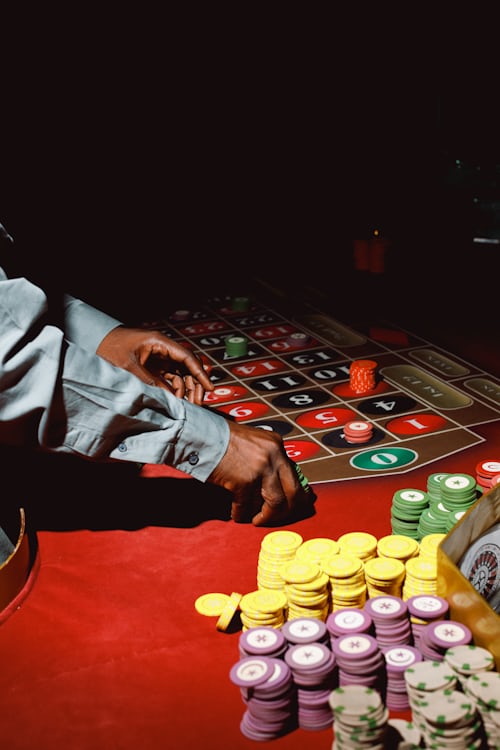
Additionally, the environment in which gambling occurs can affect decision-making. The bright lights, sounds, and overall ambiance of casinos create a stimulating environment that can enhance impulsive behavior. Players may find themselves making snap decisions without fully considering their financial situation or the likelihood of winning.
Risk Perception in Gambling
Risk perception is critical in understanding gambling behaviors. Many gamblers have a skewed sense of risk, often underestimating the likelihood of losing while overestimating their chances of winning. This misperception is further compounded by selective memory, where individuals remember their wins more vividly than their losses, reinforcing their desire to gamble.
The framing of gambling situations also plays a significant role in risk perception. For instance, promotions and bonuses can create a false sense of security, leading players to believe they have a better chance of winning than they actually do. This can perpetuate a cycle of risk-taking behavior that is difficult to break.
The Role of Casino Culture
Casino culture significantly influences both decision-making and risk perception. The social dynamics at play, such as peer pressure and groupthink, can lead individuals to make more aggressive betting choices. Observing others win can create a bandwagon effect, where players feel compelled to follow suit, often without considering their own strategies or limits.
Moreover, the normalization of gambling behavior within certain social circles can further distort risk perception. In environments where high-stakes gambling is celebrated, individuals may view their actions as part of a social norm, downplaying the inherent risks involved.
Explore Our Gambling Platform
Our platform offers a unique opportunity to delve into the world of gambling while prioritizing responsible gaming. With comprehensive guides and strategies, players can enhance their understanding of game mechanics and improve their decision-making skills. We emphasize the importance of informed choices, ensuring users can navigate the complexities of gambling safely.
Join us today to explore a secure environment designed for enjoyable and responsible gaming experiences. We aim to empower our players by providing insights that foster better understanding and management of their gambling behaviors.
